


Bisa Baik Bersama Bisa Baik Bersama
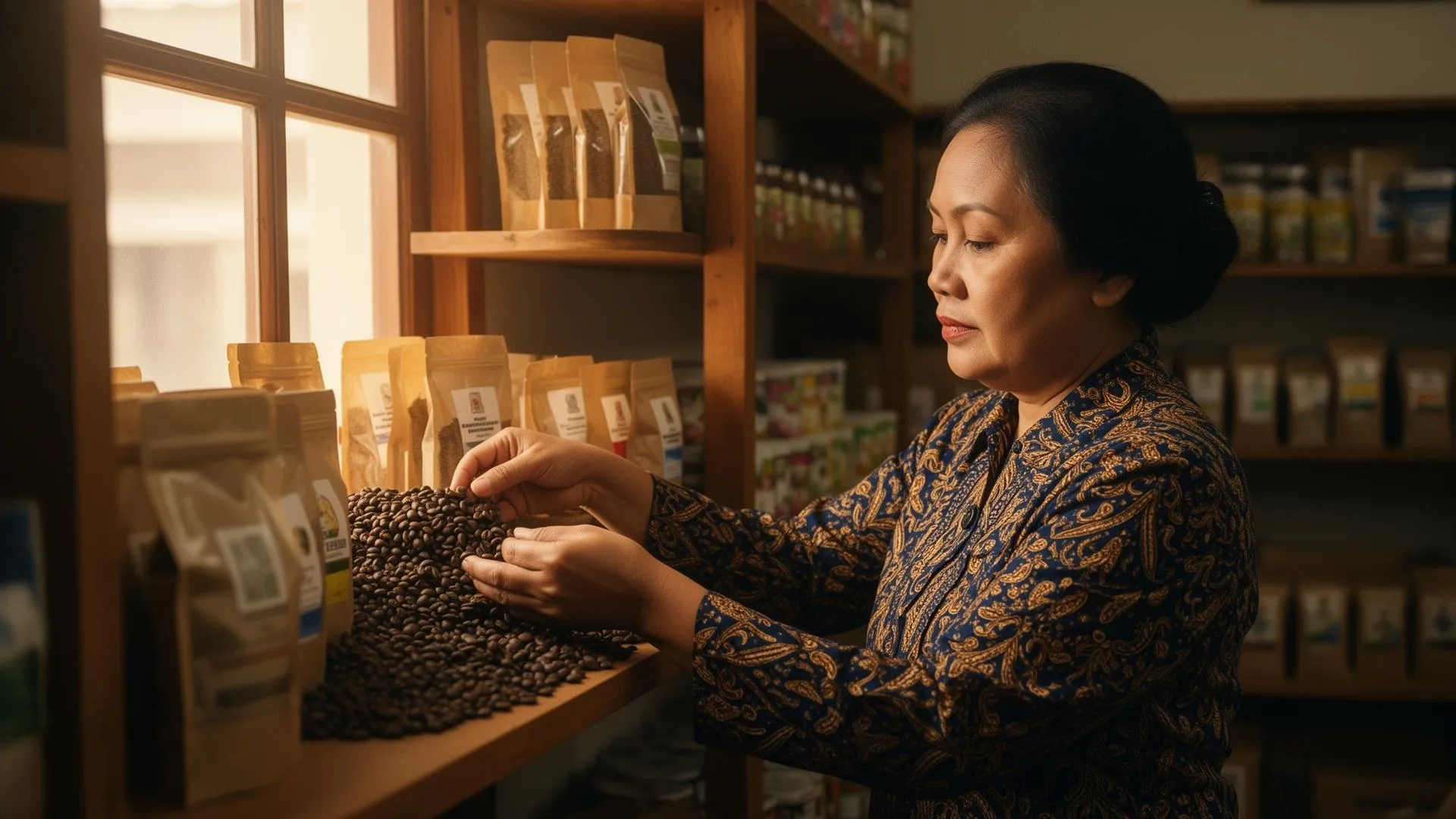
UMKM entrepreneur preparing produce for continued market access.

One lens applied to every engagement.

Each project is described through the same five questions: what the context was, what our role was, what we delivered, how it ended, and what signal the work left behind.

Models tested and refined in delivery.

These are not pilots. They are operating systems where method, partnership and post-program viability keep getting refined in the field.

BisaBaik field coordinator surveying a coastal program area.

Exit Forward Model

Flagship initiative
Context
Philanthropic programs often lose momentum once funding ends. The design is rarely the problem; the missing transition pathway is.
Our role
Originator and delivery owner of the Exit Forward Model, a transition framework built into program design from day one.
Delivery scope
Phased exit planning, local institutional and governance strengthening, post-program UMKM capacity development, and time-bound mentoring.
Exit and sustainability
Aggregator handover through PasarBaik, so beneficiaries enter stable demand and supply channels instead of reverting to dependency.

Impact signal. Exit reframed as an extension of impact rather than its conclusion, and replicated across several philanthropic engagements.

Kementerian Perdagangan RI and multiple philanthropic partners

PasarBaik, Impact Supply Aggregator

Flagship initiative
Context
Post-program UMKM beneficiaries lacked consistent market access, which undermined the long-term value of the philanthropic investment.
Our role
Operating partner for PasarBaik.com, the aggregation mechanism matching philanthropic UMKM supply to domestic and export demand.
Delivery scope
Supply aggregation, quality and compliance readiness, market facilitation, and off-take coordination across several commodities.
Exit and sustainability
Built as a market-based mechanism from the start, so sustainability is the operating model rather than an afterthought.

Impact signal. Philanthropic UMKMs aggregated into domestic and export pathways under the Aid for Trade framework.

BRI Life, AKSATA and MB Group

Circular Economy and Waste Management Initiative

Flagship initiative
Context
Environmental programs are usually treated as time-limited interventions rather than as systems that need to pay for themselves.
Our role
Three roles at once: program implementer, waste management operator, and off-taker of processed material, which keeps partner risk low.
Delivery scope
Community drop points, waste bank and cooperative strengthening, plastics- to-granules processing, and industrial off-take channels.
Exit and sustainability
Independent management transferred to local cooperatives and waste banks, with off-take demand from industry partners still in place.

Impact signal. A demonstration model showing environmental programs can be operational, economically viable and responsibly exited.

Partner engagements

Shorter pieces of work, described with the same five questions.

BAZNAS

National MEAL Standards

A replicable monitoring, evaluation, accountability and learning standard was needed across national philanthropic programs.

Impact signal. MEAL standards replicated across BAZNAS programs nationally.

Bank BRI

Desa BRILiaN Governance Strengthening

Village-cluster UMKM programs needed governance recommendations that would hold up after the program period ended.

Impact signal. An evidence-based governance pathway for cluster sustainability.

YBM BRI

Family Strengthening Evidence Base

Family welfare programs needed an evidence base before the intervention design could be sharpened.

Impact signal. Evidence-led iteration of family strengthening programming.

Save the Children, New Future DMC

Disaster Response Monitoring and Evaluation

Disaster response programs needed disciplined monitoring and a way to capture learning while conditions kept moving.

Impact signal. A stronger evidence base for disaster response delivery.

Yayasan Edu Farmers International

Edu Farmers SROI and M&E Advisory

Agricultural programs needed a credible Social Return on Investment measurement they could defend to funders.

Impact signal. SROI evidence now informing program direction.

Dispora Kab. Bogor and Livember Kreasi Indo

Dispora Kabupaten Bogor Risk and Process Design

A public-sector youth program needed structured risk and process documentation before it could be held accountable.

Impact signal. An operational baseline for accountable delivery.

Human Initiative

Human Initiative Behavioural Impact Study

Programs needed behavioural evidence before decisions about refinement and sustainability could be made with confidence.

Impact signal. A behavioural evidence base supporting program sustainability.